
Running a small business involves juggling many responsibilities, and while you're focused on growth and customer satisfaction, it's easy for accounting errors to slip through the cracks. These errors, however small they may seem, can significantly skew your financial numbers, leading to inaccurate reporting, poor decision-making, and potential tax issues. Understanding common accounting errors and implementing strategies to prevent them is crucial for maintaining the financial health of your business, and Ceiba Accounting can help guide you through these challenges with expert bookkeeping and tax planning support.
Common Accounting Errors to Watch Out For
Data Entry Errors: Simple typos or incorrect entries when recording transactions can lead to discrepancies in your financial statements. For example, entering a sale as $100 instead of $1,000 will significantly understate your revenue.
Misclassification of Transactions: Assigning transactions to the wrong accounts can distort your financial picture. A common mistake is categorizing a capital expenditure as a regular expense, which can impact your profitability and tax liability.
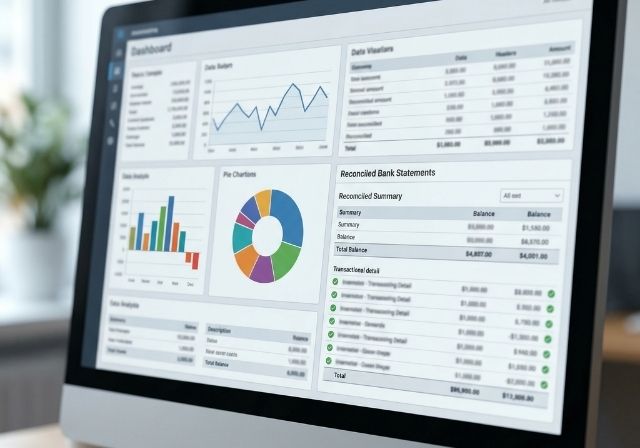
Unreconciled Bank Accounts: Failing to regularly reconcile your bank statements with your accounting records can hide errors, missed transactions, or even fraudulent activity. Reconciliation ensures that your books accurately reflect your cash position.
Inventory Errors: Inaccurate inventory counts or costing methods can lead to incorrect cost of goods sold (COGS) calculations, affecting your gross profit and inventory valuation.
Depreciation Errors: Incorrectly calculating or applying depreciation methods can distort the value of your assets and impact your tax obligations.
Tax Calculation Errors: Mistakes in calculating sales tax, payroll tax, or income tax can result in penalties and interest from tax authorities.
Preventing Accounting Errors
Implement Internal Controls: Establish clear procedures and checks and balances for all accounting processes. Segregation of duties, where different individuals handle different aspects of a transaction, can help prevent errors and fraud.
Regular Reconciliation: Reconcile bank accounts, credit card statements, and other financial records on a regular basis (monthly is recommended) to identify and correct discrepancies promptly.
Use Accounting Software: Leverage accounting software like QuickBooks to automate tasks, reduce manual errors, and improve accuracy. Ensure you set up the software correctly and understand how to use it effectively.
Provide Training: Ensure that anyone involved in accounting tasks is properly trained and understands basic accounting principles. Ongoing training can help them stay up-to-date with best practices and new regulations.
Seek Professional Help: Consider hiring a qualified accountant or bookkeeper to oversee your accounting function, especially if you lack the expertise in-house. They can provide guidance, review your books, and ensure compliance.

Staying on Top of Your Finances
Preventing accounting errors is an ongoing process that requires attention to detail and a commitment to accuracy. By implementing internal controls, leveraging technology, and seeking professional guidance, you can minimize errors and gain a clear, reliable picture of your financial performance. Accurate accounting and bookkeeping in Miami is essential for making informed decisions, managing cash flow effectively, and achieving your business goals. Ceiba Accounting provides full-service accounting, bookkeeping, tax preparation & planning, and QuickBooks setup and management. Contact us today to learn more about how we can help you maintain organized and compliant finances and ensure accurate record-keeping. Explore our website to learn more about our tax planning for small businesses services, or contact us to schedule a consultation!